
Introduction
When the monsoon season arrives, everything around us from the air to our routines changes. Our cravings shift, our days become cooler, and constant dampness can affect our well-being. It is not only humans who are affected by these seasonal changes; pets, especially Persian cats, are also affected by them. Monsoons can affect their appetites, digestion, and energy, making them more sensitive to infections. Adjusting their diets during this season is crucial to their overall health.
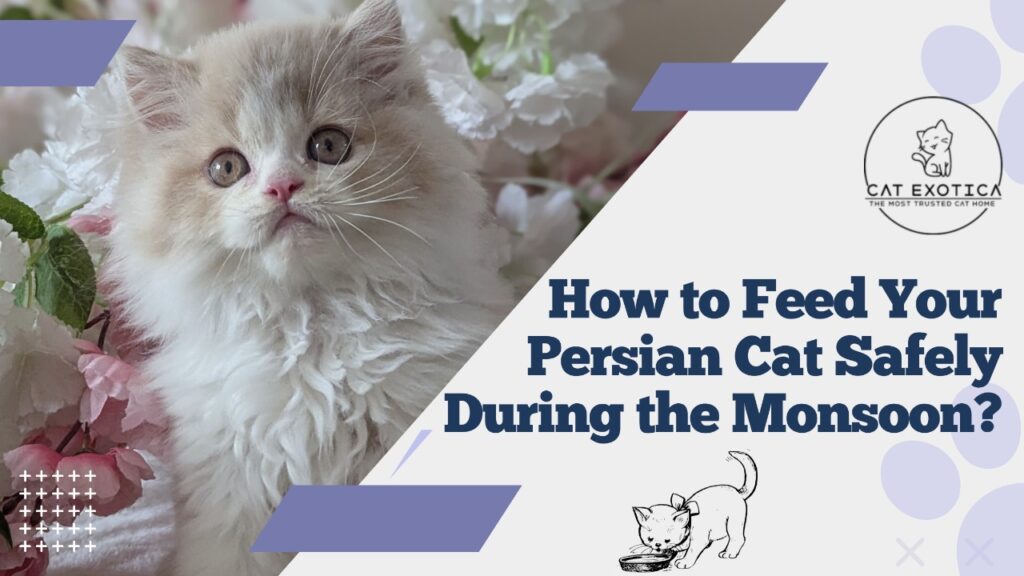
How Monsoon Affects a Persian Cat
The humid and wet conditions of the monsoon can directly impact a Persian cat’s digestive system. Slow metabolism, bloating, or decreased food intake are common during this period. Moreover, their immune system may struggle with the increase in humidity and exposure to damp environments. This makes a carefully planned diet more important than ever.
Why Seasonal Diet Adjustments Matter
- Reduced physical activity slows metabolism.
- Sensitive digestive systems can lead to stomach upsets.
- The appetite may fluctuate or decrease.
- Humidity increases the risk of gastrointestinal infections.
Understanding these challenges helps pet owners provide food that supports digestion, immunity, and hydration.
Prioritize Hydration: More Than Just Water
Even though the monsoon may reduce a Persian cat’s inclination to drink water, staying hydrated is essential. Proper hydration aids digestion, supports skin and coat health, and flushes out toxins.
Simple Ways to Keep Your Persian Cat Hydrated
- Add low-sodium chicken or bone broth to meals.
- Mix wet food with dry kibble for extra moisture.
- Offer lukewarm, pet-safe soups occasionally.
- Keep fresh water in multiple, easily accessible bowls.
Hydrated meals are healthy and comforting for your cat on wet, gloomy days.
Switch to Light, Easily Digestible Meals
Heavy or oily foods can upset your Persian cat’s sensitive stomach in the monsoon. Light, fresh meals help maintain energy without causing digestive discomfort.
Monsoon-Friendly Meal Ideas
- Steamed fish or boiled chicken with rice.
- Soft scrambled eggs without oil or spices.
- Curd rice mixed with pumpkin mash.
- Plain Paneer in moderation.
Avoid spicy or overly rich leftovers, and opt for freshly prepared food to reduce the risk of infections.
Included Lean Proteins for Energy and Immunity
A Persian cat benefits from lean proteins that are easy to digest and help maintain immunity during rainy days. Protein also keeps energy levels steady when activity decreases due to wet weather.
Best Protein Options for Monsoon
- Boiled chicken breast or turkey.
- Boneless, cooked fish.
- Soft-boiled or scrambled eggs.
- Paneer for cats who tolerate it well.
Avoid fatty meats or heavy cuts, as they can strain digestion during low-activity periods.
Boost Immunity with Seasonal Foods
The monsoon calls for a little extra support for your Persian cat’s immune system. Certain vegetables and supplements can strengthen their natural defenses and improve coat health.
Immune-Boosting Foods
- Steamed carrots, pumpkin, spinach, or beetroot.
- A small pinch of cat-safe turmeric if recommended by your vet.
- Omega-3 supplements or fish oils for the skin and coat.
- Probiotics to maintain a balanced gut.
Natural, immunity-boosting foods help your cat stay active and healthy through the damp season.
Limiting Processed Treats
Processed treats are often too rich or salty for the monsoon months. Switching to simple, wholesome snacks can prevent digestive issues.
Healthy Monsoon Treat Options
- Homemade oats and pumpkin biscuits.
- Dehydrated chicken or fish jerky.
- Steamed sweet potato cubes.
- Bite-sized cooked vegetables in chunks.
Choosing preservative-free treats helps maintain your cat’s gut health during humid weather.
Prevent Food Spoilage
The monsoon’s humidity makes food spoilage more likely, which can be dangerous for a Persian cat.
Safe Food Storage Tips
- Store dry food in airtight containers.
- Check for mold or a stale smell before serving.
- Avoid leaving wet food out for too long.
- Never feed uncovered leftovers.
Always observe your cat’s appetite and watch for signs of digestive upset as early warnings.
Maintain a Consistent Feeding Schedule
Even during gloomy weather, a routine keeps your Persian cat comfortable and supports its digestion.
Feeding Routine Tips
- Serve meals at the same time each day.
- Offer food in a dry, quiet indoor space.
- Avoid overfeeding due to decreased activity.
- Monitor stool and appetite for sudden changes.
Consistency helps their digestive system adjust and reduces stress during seasonal changes.
Final Thoughts
The monsoon can be cozy for humans, but for a Persian cat, it presents unique challenges. A diet that focuses on light, digestible meals, lean proteins, and proper hydration is key. Avoid processed treats, store food safely, and maintain a consistent feeding routine. By paying attention to these details, you can make sure your Persian cat stays healthy, happy, and active throughout the rainy season.