
Introduction
Choosing a cat breed often involves looking beyond appearance and considering personality, grooming needs, activity levels, and everyday care. Persian and Siberian cats are both admired for their beautiful coats and appealing personalities, yet they have several differences that can influence companion choice. Persian cats are commonly associated with their luxurious long fur, rounded appearance, and calming nature. Siberian cats are recognized for their strong physique, dense coat, playful character, and curiosity. Understanding the differences between these two cats can help prospective cat owners identify the breed that better matches their home environment, daily routine, and expectations. Both breeds can become affectionate companions when provided with proper care, attention, nutrition, and a comfortable living space.
Physical Appearance and Coat Differences
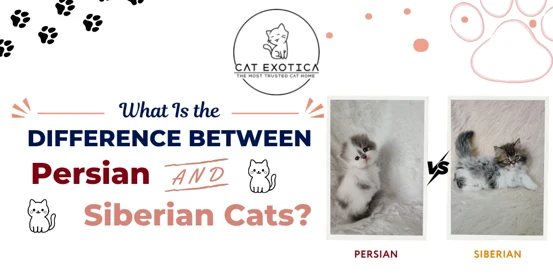
Persian and Siberian cats have noticeably different physical characteristics despite sharing rounded facial features. Persian cats generally have compact bodies, short legs, broad shoulders, and a round head. Their large eyes and flowing coat give them an elegant appearance. Persian cats have a flatter face and others a more traditional profile. Their long, fine fur is one of their most recognizable characteristics and comes in numerous colors and patterns.
Siberian cats typically have larger and muscular bodies. Their strong legs, broad chest, rounded head, and bushy tail contribute to their sturdy appearance. A prominent neck ruff may give the breed an especially impressive look. Siberians have a dense, layered coat that forms naturally to insulation colder environments.
Temperament and Activity Levels
Personality is another area where Persian and Siberian cats differ. Persian cats are calm, gentle, and relatively laid-back. Many enjoy quiet surroundings and comfortable resting places. They may prefer to stay close to their owners without constantly seeking active interaction. Short play sessions can provide suitable entertainment, followed by relaxation.
Siberian cats are usually more energetic and adventurous. Their curious nature encourages them to investigate different areas of the home, climb furniture, chase toys, and interact with household members. Interactive games can provide both mechanical and mental stimulation. Their playful behavior remains noticeable even after they reach adulthood.
Household lifestyle can influence which temperament feels best. People who prefer a quiet companion may appreciate a Persian cat’s typical personality. Individuals who enjoy an active and playful pet may find the Siberian temperament more appealing.
Grooming and Daily Care Requirements
Grooming is particularly significant when comparing these two breeds. Persian cats have a long coat that can develop knots and mats when brushing is neglected. Regular, preferably daily, brushing can remove loose hair and keep the coat easier to manage. Attention may also be needed near areas where food, moisture, or debris can accumulate. Regular nail care, dental hygiene, ear checks, and general grooming can form part of a Persian cat’s routine.
Siberian cats also require consistent coat care, although their grooming patterns differ. Their dense fur can become especially thick during seasonal coat changes. Brushing several times a week can remove loose hair and reduce tangles. Additional grooming may be useful during periods of heavy shedding.
Daily care involves more than maintaining a coat. Both breeds require balanced nutrition, clean drinking water, suitable litter facilities, regular veterinary visits, playtime, and a safe environment. Monitoring changes in appetite, behavior, coat condition, or activity can also help owners recognize when professional veterinary attention might be appropriate.
Living Environment, Health, and Family Compatibility
The home environment can influence cat comfort. Persian cats adapt well to indoor settings with quiet resting areas and predictable routines. Their calm nature makes them suitable for households with a relaxed atmosphere. Comfortable beds, scratching surfaces, interactive toys, and safe spaces provide appropriate enrichment.
Siberian cats can also thrive indoors, particularly when the environment provides opportunities for climbing, exploring, and playing. Cat trees, shelves, puzzle toys, and interactive activities can satisfy their active nature. Safe indoor enrichment can prevent boredom.
Family compatibility also depends on individual cats’ behavior and household members’ interaction with them. Gentle handling and supervised interaction can help children learn appropriate ways to approach and play with cats. Introductions to other pets should be gradual.
Persian vs Siberian Cats: Which One May Suit You?
Choosing between a Persian and a Siberian cat should involve lifestyle considerations rather than appearance alone. Persian cats may suit households looking for a calmer companion and owners who are prepared to devote time to grooming. Their relaxed behavior can work well for people who enjoy peaceful companionship and indoor routines.
Siberian cats may be a better match for households wanting a more energetic and interactive companion. Their playful personality means they can benefit from regular exercise, climbing opportunities, toys, and mental stimulation. Owners should also be comfortable managing their thick coat and seasonal shedding.
Grooming commitments are important. Persian cats generally need more frequent brushing because of their long, fine fur. Siberian cats require regular brushing, especially during heavy shedding periods. The time available for daily care should therefore influence the decision.
Conclusion
Persian and Siberian cats offer different qualities, but both make wonderful household companions. Persian cats are generally associated with long, flowing coats, calm behavior, and relaxed surroundings. Siberian cats are known for their strong build, thick fur, curiosity, and energetic personalities. Grooming requirements, activity levels, the home environment, health considerations, and family routines can all influence the right choice. Understanding the characteristics of both cats allows prospective owners to consider their own lifestyle before choosing a companion. Proper nutrition, regular grooming, veterinary care, enrichment, affection, and responsible ownership remain a priority regardless of the breed selected.