
Introduction
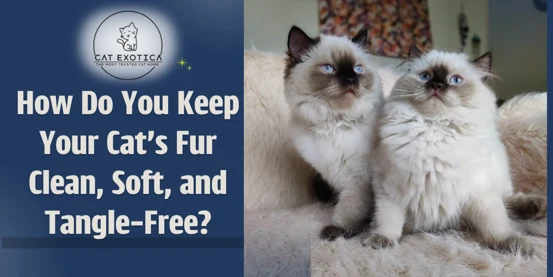
Keeping a cat’s fur clean, soft, and free from tangles requires regular care and a simple grooming routine. A Himalayan cat has a long and thick coat that collects loose hair, dust, and small knots when brushing is skipped. Regular brushing keeps the coat neat while also making daily shedding easier to manage. Grooming is not only about maintaining a beautiful appearance; it also lets you notice dirt, mats, or changes in the skin and coat at an early stage. Choosing the right brush, following a suitable grooming schedule, and giving extra attention to areas where tangles commonly develop can make fur care much easier. A calm grooming routine also helps your cat become comfortable with regular handling. With proper brushing, suitable nutrition, occasional bathing when needed, and gentle coat care, you can maintain a cleaner and softer coat while making grooming a comfortable part of your cat’s everyday routine.
Establishing a Consistent Brushing Routine
Regular brushing is one of the simplest ways to maintain a long-haired cat’s coat. A daily grooming session can help remove loose strands before they become tangled with the surrounding fur.
Begin with gentle strokes and allow your cat to become comfortable with the brush. Short grooming sessions can be easier for cats not accustomed to regular handling. Gradually working through the coat can make grooming more comfortable and manageable.
Long-haired cats can develop tangles around the ears, armpits, chest, and back of the legs. Paying attention to these areas during routine grooming can help identify small knots before they become larger mats.
Choosing Suitable Grooming Tools
The right grooming tool can make coat maintenance easier. Long-toothed metal combs and suitable brushes can help work through loose hair and minor tangles in medium- and long-haired coats.
A brush should move through the fur gently rather than pulling forcefully. If a cat becomes uncomfortable during grooming, taking a short break can help keep the routine calm.
Different coats may require different tools, so observing the texture and density of your cat’s fur can help determine which brush or comb works best. Veterinary guidance can also help you when choosing grooming equipment for a particular coat type.
Paying Attention to Tangle-Prone Areas
Some parts of a cat’s body are more likely to develop knots because of movement and their limited ability to groom themselves. The area behind the ears, beneath the front legs, around the chest, and along the back legs deserves regular inspection.
Run your fingers gently through the coat while checking for small clumps or texture changes. Early detection allows minor tangles to be addressed before they become difficult to remove.
Larger or tightly packed mats can sit close to the skin and cause discomfort. Severe mats are better handled by a veterinarian or professional groomer than attempting complicated removal at home.
Keeping the Coat Free From Dirt and Debris
Brushing improves cat fur. Regular grooming removes loose hair, dead skin cells, dirt, and debris from the coat. It also helps distribute natural skin oils along hair shafts.
A clean grooming area can make the process easier. After outdoor activity or contact with dusty areas, inspect the coat for any unwanted material caught between the hair.
Daily coat checks can also help owners notice unusual changes such as excessive shedding, greasy fur, dandruff, or irritated areas. Noticeable changes in coat condition can sometimes indicate an underlying health concern and may require veterinary attention.
Managing Shedding Through Regular Grooming
Cats naturally shed hair, and long-haired breeds can leave noticeable amounts of loose fur around the home. Regular brushing removes loose hair from the living space.
Daily grooming can also reduce the amount of loose hair swallowed during self-grooming, which may reduce hairball formation.
During periods of increased shedding, more frequent coat checks can be useful. Gentle brushing throughout the coat can help remove accumulated loose hair while keeping the remaining fur more organized.
Maintaining a Healthy Coat Through Nutrition
Coat quality is influenced by more than grooming. Nutrition also maintains healthy skin and hair. Cats require a balanced diet containing appropriate proteins, fats, vitamins, minerals, and calories according to their life stage and individual needs.
Fresh water should also be available for everyday care. Feeding routines can be discussed with a veterinarian when a cat has particular dietary requirements or noticeable changes in skin and coat condition.
A healthy grooming routine combined with appropriate nutrition supports the coat’s overall condition.
Bathing When It Is Actually Needed
Most healthy cats naturally spend considerable time grooming themselves, so frequent bathing is unnecessary. Bathing requirements can vary depending on the cat’s lifestyle, age, health, and ability to groom independently.
If bathing becomes necessary, brushing should occur before the bath to remove existing tangles. Wetting tangled fur can make mats harder to manage.
Cat-specific shampoo is preferable to human shampoo. Bathing should be discussed with a veterinarian if skin irritation or other coat problems appear.
Handling Mats Safely
Mats should never be ignored because tightly tangled fur can pull against the skin and cause discomfort. Small tangles may sometimes be gently worked out with an appropriate comb or dematting tool.
Scissors should not be used to cut mats because cat skin can be very close to tangled hair, creating a risk of accidental injury. Large or widespread mats are better addressed by a veterinarian or a professional groomer.
Regular brushing is the simplest way to reduce the chance of serious mat formation. Making grooming part of the daily routine can help cats become more familiar with handling.
Making Grooming Comfortable for Your Cat
Grooming should be introduced as a calm and familiar activity. Start with short sessions and gentle movements, particularly when caring for a kitten or cat new to regular brushing.
Treats, praise, and a relaxed environment can help create positive associations with grooming. Avoid rushing through difficult areas or pulling repeatedly on knots.
A consistent routine is generally easier for both the cat and owner than occasional lengthy grooming sessions. Daily attention is especially useful for long-hairedcoats that become tangled quickly.
Checking Skin and Coat Condition Regularly
Routine grooming allows you to inspect the skin beneath the fur. Look for unusual redness, bumps, excessive dandruff, greasy patches, parasites, or hair loss areas.
A healthy coat is generally smooth and shiny, while sudden changes in texture or shedding can sometimes indicate an underlying issue. Veterinary assessment is appropriate when coat or skin changes persist or are accompanied by discomfort, itching, or other unusual signs.
Regular observation makes it easier to notice changes early and maintain a suitable grooming routine.
Conclusion
Keeping a long-haired cat’s fur clean, soft, and tangle-free depends on regular brushing, suitable grooming tools, proper nutrition, and routine coat inspections. A Himalayan cat benefits particularly from consistent grooming because its long, thick coat can develop tangles and mats without regular care. Gentle daily brushing, attention to difficult areas, appropriate bathing when needed, and safe handling of mats can support a cleaner and more comfortable coat. A simple grooming routine also gives owners an opportunity to notice changes in skin or fur condition and seek veterinary advice when necessary.