
Introduction
Persian cats are adored worldwide for their royal appearance, calm nature, and luxurious coats. Today, many people looking for Persian cats for sale want to make sure they are choosing a genuine purebred cat with the classic traits this breed is known for. Knowing how to distinguish a true Persian from a mixed breed not only protects your investment but also makes sure you bring home a pet with the well-known charm, temperament, and health
Understanding the True Persian Cat Profile
Persians have a long history of being admired for their soft, flowing coats, expressive faces, and gentle personalities. Their distinctive features make them easy to recognize, but due to high demand, crossbreeding has become common. This makes it even more important for buyers to understand the original traits of the Persian breed. If you’re considering buying kittens, gaining proper knowledge of their physical and behavioural characteristics helps you identify genuine Persians with confidence.
Key Physical Traits That Reveal a Purebred Persian
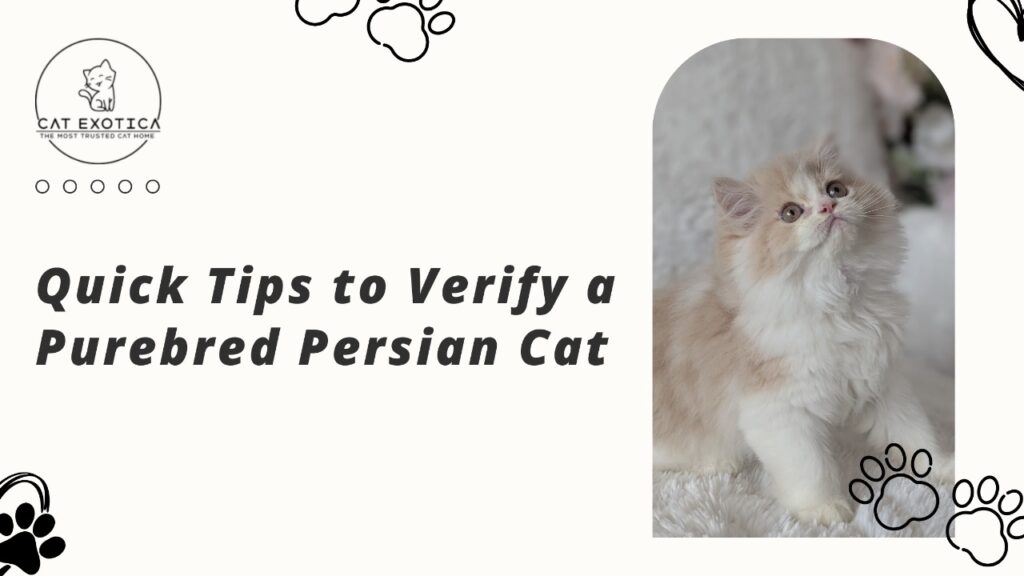
Examining the physical structure of the cat is one of the quickest ways to determine if it is purebred. A true Persian has a flat, short muzzle paired with a small nose, giving them a sweet, doll-like expression. Their eyes are large, rounded, and bright, typically seen in shades of blue, copper, or green. The ears sit low and are spaced wide apart, adding to their soft appearance.
Another standout feature is their coat. A purebred Persian has a long, dense, and silky coat that requires frequent grooming. It flows smoothly across the body and has a plush texture that differentiates it from mixed breeds. Anyone browsing Persian cats for sale should take the time to observe these physical characteristics carefully to avoid selecting a kitten that doesn’t meet breed standards.
Recognize Coat Colors and Patterns
Persian cats come in an impressive variety of coat colors and patterns with over 50 officially recognized options. Solid shades such as black, white, grey, and cream are common, while other patterns include bi-colors, tabbies, shaded varieties, and the popular Himalayan Persians, known for their pointed patterns.
These coat styles follow breed-standard guidelines. Any unusual coloration, irregular markings, or inconsistent patterns could indicate crossbreeding. When purchasing kittens, verifying that the coat matches recognized Persian categories helps make sure authenticity.
Personality Traits That Indicate a Purebred Persian
Behavior is another important indicator. Purebred Persians are known for their quiet, affectionate, and gentle personalities. They enjoy peaceful environments, love lounging in cozy spaces, and prefer a laid-back lifestyle. Unlike high-energy breeds, Persians rarely display excessive jumping or hyperactivity.
A kitten marketed as a Persian but showing overly aggressive or restless behavior may not be purebred. Observing how the kitten interacts with people and how calm it remains during handling provides helpful clues about its breed purity.
Common Health Signs in Purebred Persians
Purebred Persians are prone to specific health conditions related to their flat face and long coat. They may experience breathing difficulties, watery eyes, or regular hairball issues. Ethical breeders usually monitor these conditions closely and provide proper care, which includes grooming, health examinations, and nutritional support.
Responsible sellers offering Persian cats for sale will be transparent about the kitten’s health history. Always ask for vaccination records, veterinary reports, and details about the parents’ health. A well-maintained health profile demonstrates proper breeding standards and gives buyers peace of mind.
Why Documentation Matters for Verifying Breed Purity
Pedigree papers are the strongest proof of a cat’s purebred status. Genuine breeders provide certificates that include lineage details, confirming that the kitten comes from registered Persian parents. Without documentation, the risk of buying a mixed breed at the price of a purebred increases significantly.
These papers also confirm that the breeder follows ethical practices, reducing the likelihood of health or behavioral issues. Buyers should always prioritize purchasing kittens from breeders who provide authentic, complete, and verifiable documents.
Smart Tips for Buying a Purebred Persian Safely
To avoid scams and identify a true Persian cat, keep these quick tips in mind:
- Visit the breeder to observe living conditions and meet the parents of cats.
- Review medical records to confirm vaccinations, treatments, and health monitoring.
- Check for physical traits such as a flat face, rounded eyes, a long coat, and an overall structure.
- Ask for pedigree certificates to confirm the kitten’s lineage.
- Observe behavior, making sure the kitten displays the calm temperament the Persians are known for.
Careful evaluation helps you choose a healthy, purebred kitten while supporting ethical breeding.
Conclusion
Recognizing a true Persian involves observing its physical features, coat style, behavior, and documented lineage. As the demand for Persian cats for sale increases, buyers must stay informed and cautious to avoid misleading sellers. By following these tips and taking time to review each aspect of the cat, you can confidently bring home a purebred Persian that embodies the grace, charm, and gentle nature this beloved breed is known for.