
Introduction
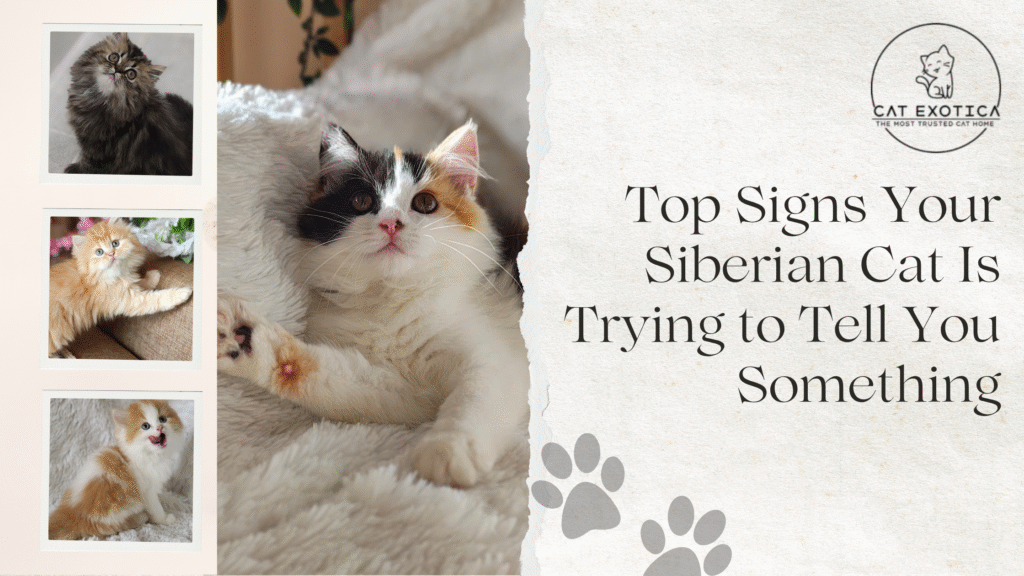
Siberian cats are known for their fluffy coats, playful nature, and expressive personalities. As a pet parent of a Siberian cat, you might often wonder what your feline friend is trying to communicate. The cats use sensitive body language cues to convey a variety of emotions, ranging from happiness to anxiety. Understanding these signals can strengthen your bond and make daily interactions smoother. If you’re eager to decode your Siberian cat’s behavior, keep reading to learn the top signs they are trying to tell you something.
Happy
A relaxed Siberian cat will often show a combination of slow blinking, purring, and kneading with their paws. Slow blinking is a clear sign of trust, as your cat essentially tells you, “I feel safe with you.” Their tail may be held high and swayed gently, and their body posture will appear loose and comfortable. Some cats may even produce soft chirping sounds, inviting you to play with them or follow them. These small gestures indicate that your Siberian cat is happy, confident, and enjoying your company.
Signs of Frustration or Anger
When your Siberian cat is frustrated, their body language changes noticeably. Narrow eyes, flattened ears, or a stiff, twitching tail signal irritation or stress. They might hiss, growl, or swat without warning if they feel threatened or overstimulated. Frustration can arise from restricted access to favorite areas, sudden changes in their environment, or interference with their routine. Recognizing these warning signs early allows you to give your cat some space before the situation escalates, maintaining a safe and harmonious home.
Uncomfortable or Unsure
A question mark-shaped tail or crouching posture often indicates curiosity mixed with caution. Siberian cats may expose their bellies, but this does not always mean they wish to be rubbed; it may be a playful gesture or a defensive posture. Freezing in place when approached is another sign that they feel uneasy. Uncomfortable cats may hiss, spit, or show their teeth, signaling a need for personal space. Understanding this help prevent accidental bites and builds trust between you and your feline companion.
Scared or Anxious
Cats, including Siberians, can become stressed by environmental changes, new visitors, or other pets. Signs of fear include hiding, leaning away from you, crouching low, or leaving damp paw prints. High-stress levels can even lead to aggressive behavior. Providing a calm and secure environment with quiet spaces, familiar bedding, and minimal strong odors helps your cat feel safe. Respecting their need for distance during stressful situations is crucial to maintaining their emotional well-being.
Excited or Playful
Excitement in Siberian cats is often visible through an upright tail, dilate pupils, and active movements. Your cat may jump, paw at toys, or seek interactive play. Meows may become louder, more frequent, and urgent, while purring may shift to a higher pitch. Watching these signs helps you engage with your cat appropriately, offering playtime that stimulates both their minds and bodies. Recognizing excitement leads to positive interactions while preventing accidental scratches or bites.
Showing Affection
Slow blinking, gentle rubbing against your legs, and exposing their back or belly are signs that your Siberian cat adores you. This behavior reflects trust and a desire for social bonding. Many Siberians also rub their cheeks on furniture or people to mark territory with scent glands, which is also a form of expressing affection. Returning your slow blinks is a simple and effective way to strengthen this bond, showing that you reciprocate their trust and love.
Here Are Some Clues To Watch For
Even minor gestures carry meaning. A twitching whisker may indicate curiosity or heightened alertness. Slightly flattened ears suggest mild irritation, while a gently swishing tail can signal indecision or playful intent. Paying attention to these details helps you anticipate your cat’s reactions and respond appropriately, improving your day-to-day interactions with your furry friend.
Natural, immunity-boosting foods help your cat stay active and healthy through the damp season.
Conclusion
Understanding the body language of your Siberian cat is key to building a loving and respectful relationship. From signs of happiness and affection to cues of discomfort or stress, every movement tells a story. Observing these behaviors closely allows you to respond thoughtfully, making sure your cat feels secure and understood. Whether it’s a playful leap, a slow blink, or a swishing tail, the Siberian cat will always find ways to communicate their feelings to you. Paying attention to these signals not only enhances your bond but also creates a harmonious environment where your cat can grow.