
Introduction
Providing the right diet is one of the most critical aspects of raising a healthy and active cat. Nutrition affects growth, energy levels, coat condition, muscle development, and overall well-being. Large cat breeds require special attention to feeding because their nutritional needs differ from those of smaller breeds. Understanding what to feed, how much to eat, and which nutrients are essential can help cat owners maintain their pets’ health for years to come.
Understanding Nutritional Requirements
Cats are obligate carnivores, which means they rely heavily on animal-based proteins for their nutritional needs. A balanced diet should include high-quality protein, healthy fats, vitamins, minerals, and adequate hydration. Protein supports muscle development and maintenance, while fats provide energy and contribute to healthy skin and fur.
Essential nutrients such as taurine, omega fatty acids, calcium, and phosphorus play significant roles in maintaining healthy organs, bones, and overall body functions. Selecting food that contains these nutrients can support long-term health and vitality.
Choosing High-Quality Cat Food
Not all cat foods are created equal. Reading ingredient labels is a crucial step in selecting a suitable diet. Foods that list real meat as the primary ingredient are generally preferred because they provide cats with protein.
Dry food can be convenient and help support dental health, while wet food contributes to hydration and can be easier for some cats to consume. Many owners choose a combination of both to provide variety and balanced nutrition. It is also imperative to select foods that match the cat’s age, activity level, and specific dietary requirements.
Feeding Maine Coon Cats for Healthy Growth
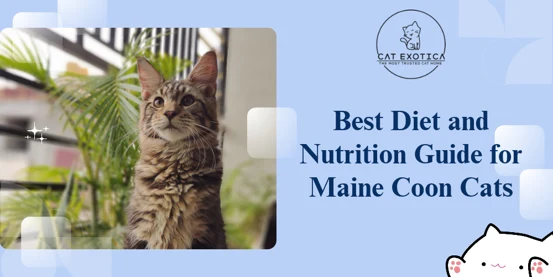
When discussing nutrition for large breeds, maine coon cats require particular attention due to their size and slower growth rate. These cats continue to develop longer than many other breeds, making proper nutrition especially critical during their early years.
A diet rich in animal protein supports strong muscles and healthy development. Foods containing omega-3 and omega-6 fatty acids contribute to a healthy coat, while balanced mineral levels support strong bones and joints. Portion control is equally imperative because excessive feeding can lead to unnecessary weight gain and health concerns.
Providing meals at regular times each day can help maintain a healthy routine and support proper digestion. Fresh, clean water should always be available alongside meals.
The Importance of Protein and Healthy Fats
Protein is the foundation of a cat’s diet. High-quality protein sources such as chicken, turkey, fish, and other animal-based ingredients help maintain lean muscle mass. Large breeds often benefit from diets with high protein levels to support their active lifestyles.
Healthy fats are also essential because they provide concentrated energy and contribute to healthy skin and shiny coats. Fish oil and other natural fat sources can benefit a balanced diet. Moderation is imperative to prevent excessive calorie intake.
Managing Portion Sizes and Feeding Schedules
Feeding the right amount is just as critical as choosing the right food. Overfeeding can contribute to obesity, while underfeeding may cause nutritional deficiencies. Following the feeding guidelines provided by the food manufacturer can be a helpful starting point, although adjustments may be necessary based on age, weight, and activity level.
Cat owners succeed by dividing daily food portions into multiple meals. Small, scheduled meals can support digestion and maintain consistent energy levels throughout the day.
Monitoring your body’s condition regularly can help identify whether dietary adjustments are needed. Maintaining a healthy weight contributes to better mobility and overall wellness.
Foods to Avoid
Certain foods commonly consumed by humans are harmful to cats. Chocolate, onions, garlic, grapes, raisins, alcohol, and caffeinated products should never be offered.
Excessive treats and table scraps can also interfere with a balanced diet and contribute to weight gain.
Introducing new foods gradually can prevent digestive upsets. Whenever significant dietary changes are needed, consulting a qualified veterinarian can provide valuable guidance.
Conclusion
A well-balanced diet plays a vital role in maintaining cats’ health, growth, and overall well-being. From high-quality protein and healthy fats to proper portion control and hydration, nutrition contributes to a happy and more active life. Maine coon cats need the right nutrients to support their size, strength, and long-term health. By choosing nutritious food and following consistent feeding habits, owners can help their cats enjoy a healthy lifestyle and thrive for years to come.